Ayurveda
The ancient Indian science of life, is not merely a system of healing – it is a profound philosophy grounded in nature’s wisdom. At its core lies the understanding that true health arises from harmony between the Body, Mind and Spirit, in alignment with the five great elements (Panchamahabhuta): Earth (Prithvi), Water (Ap), Fire (Tejas), Air (Vayu) and Space (Akasha).
Rather than treating symptoms in isolation, Ayurveda seeks to identify and eliminate disease at its root. This is achieved by understanding the unique constitution (Prakriti) of each individual, shaped by the interplay of the three doshas: Vata, Pitta and Kapha. Imbalance among these forces disturbs the natural order and gives rise to illness.
Through personalised diet, lifestyle, panchakarma procedures and herbal interventions, Ayurveda restores doshic equilibrium, allowing the body’s innate healing intelligence to flourish. The goal is not simply to feel better – it is to return to one’s natural state of balance where disease cannot thrive.
In this holistic tradition, the body is more than a vessel; it is a mirror of the cosmos, constantly reflecting the rhythms of nature. Ayurveda teaches us to read this reflection – to understand not just what has gone wrong, but why and to intervene with wisdom that honours both science and spirit.
-
Herbal Consultations.
-
Holistic Lifestyle Guidance.
-
Tailored Herbal Medicines.
Panchkarma Detox Therapies
-
Snehan (Marma Massage).
This Treatment involves herbal oil massage on specific pressure points for local pain management. This therapy massage mainly focuses on back, spine, waist, shoulder and leg.
-
Sweadan (Hot Fomentation).
This procedure liquefies the toxins and increases the movement of toxins.
-
Nasya (Nasal Therapy).
It is a procedure of instilling drops of medicine in the form of oil and /or ghee through each nostril followed by head and face massage. It is beneficial for sinusitis, frozen shoulder, migraine, insomnia, epilepsy and hemiplegia.
-
Basti (Retention Therapy).
One of the detoxifying and bio purification therapy not limited to cleansing the bowels only.
-
Udwartan (Dry Herbal Powder Massage).
Udvartana is a stimulating, therapeutic Ayurvedic dry herbal powder massage that involves rubbing a blend of medicated powders onto the body using firm, upward strokes.
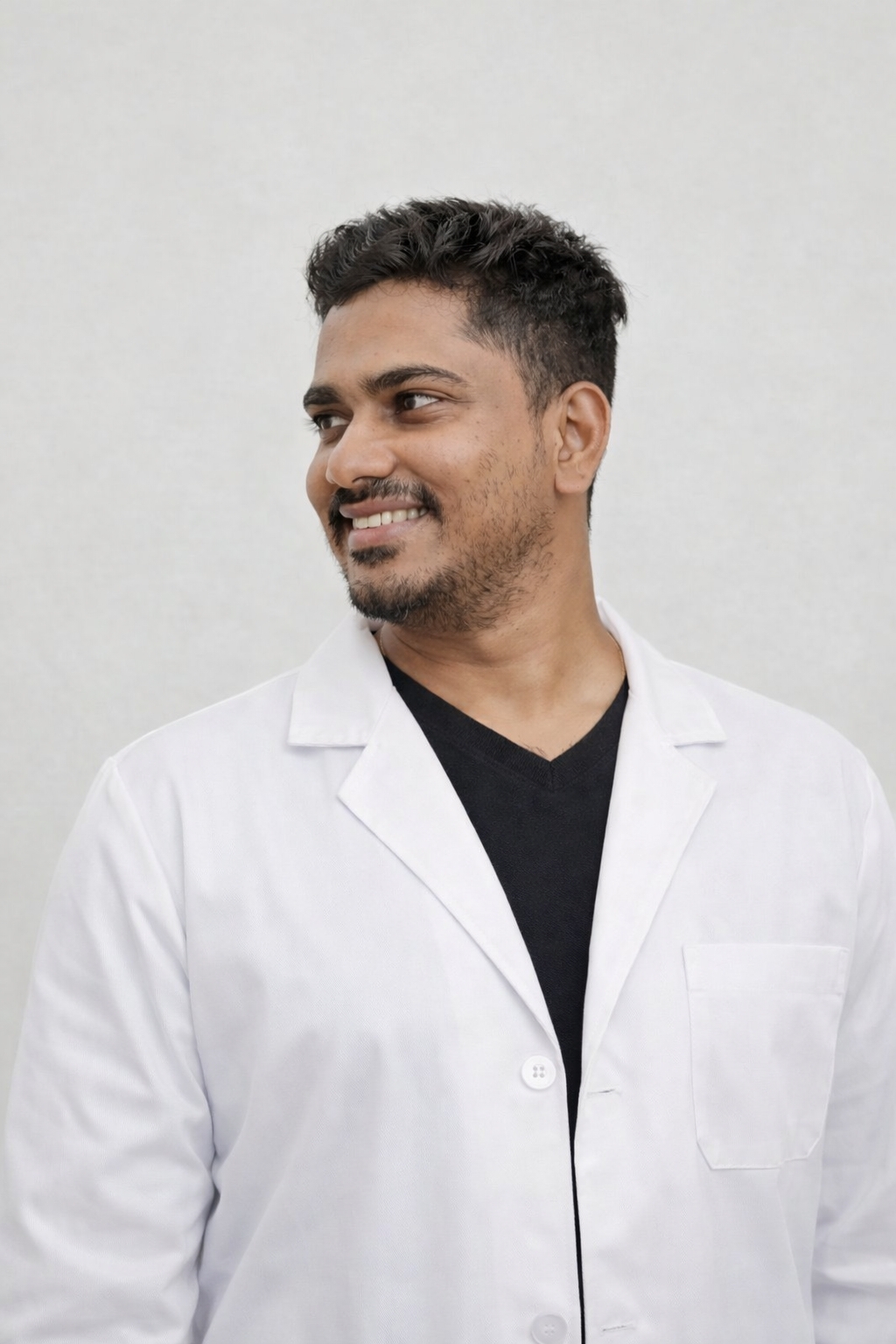
Ayurved Pranav
Ayurvedic Doctor | Holistic Wellness & Therapeutic Bodywork Specialist Reg. No.: 10A7330
Ayurved Pranav brings a uniquely calming presence to the spa environment, blending the wisdom of Ayurveda with refined therapeutic techniques to create deeply restorative wellness experiences. With extensive expertise in musculoskeletal care, women’s wellness and stress related conditions, his treatments are designed to soothe the body, settle the mind and restore natural balance.
Guests appreciate his warm, grounded and reassuring approach — a style that encourages deep relaxation while supporting meaningful therapeutic results. His sessions focus on easing tension, improving mobility, calming the nervous system and nurturing overall wellbeing.
His areas of special interest include:
- Neck, shoulder & back tension
- Postural strain from modern lifestyles
- Muscular tightness & fatigue
- Stress related symptoms
- Hormonal balance & women’s wellness
- Menstrual discomfort & irregular cycles
- Perimenopausal support
Each treatment is thoughtfully tailored, drawing from Ayurvedic consultation, therapeutic massage, marma therapy, myofascial release and restorative wellness practices
Signature Spa Experience
Urban Reset Therapy™
A deeply restorative signature ritual created for guests who feel the weight of fast paced urban living. This immersive treatment melts away accumulated tension in the neck, shoulders and back while calming the mind and rebalancing the body.
Urban Reset Therapy™ blends:
- Warm, flowing Ayurvedic techniques
- Targeted soft tissue therapy
- Slow, grounding bodywork
- Deep relaxation methods
The result is a renewed sense of ease, improved mobility and a profound feeling of reset — ideal for professionals seeking clarity, calm and physical relief.
Qualifications
- BAMS,MHA,MSc (UK)
- Certified Therapeutic Massage Practitioner
Wellness Specialties
- Women’s Wellness & Hormonal Balance
- Menstrual Health & Lifestyle Support
- Perimenopausal Wellbeing
- Neck, Back & Shoulder Tension Relief
- Musculoskeletal & Postural Strain
- Stress Relief & Relaxation Therapies
- Therapeutic & Restorative Bodywork
- Ayurvedic Consultation & Lifestyle Guidance • Holistic Preventive Wellnes