Benefits of Musculoskeletal Physiotherapy
Physio
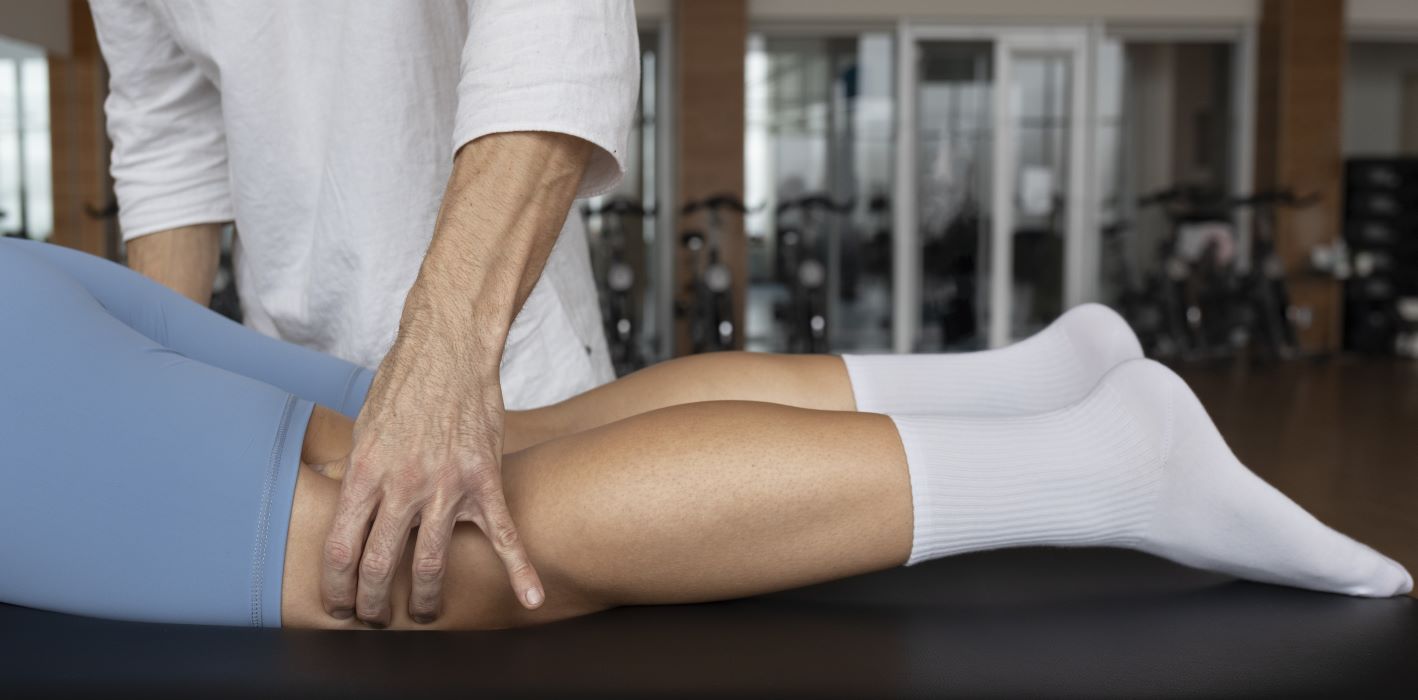
Our musculoskeletal physiotherapy approach combines clinical expertise with personalized care to restore function, rebuild strength and support your body's natural healing capacity. Whether recovering from injury, managing chronic pain or working through postural imbalances, each session is tailored to your unique needs and goals. Through targeted manual therapy, joint mobilization and corrective movement patterns, we address the underlying mechanics of dysfunction not just the symptoms. We assess how your body moves, identifying compensations and weaknesses that contribute to pain or limitation. Therapeutic exercises are carefully prescribed to activate dormant muscles, improve stability and retrain coordination. This treatment enhances flexibility, reduces inflammation and accelerates tissue repair through evidence-based techniques. We empower you with tools and knowledge to continue your progress beyond our sessions, fostering long term resilience and independence. You'll leave with improved mobility, decreased discomfort and a clearer understanding of your body's potential for recovery and optimal performance.
The Musculoskeletal Physiotherapy Philosophy
Musculoskeletal physiotherapy is specialized healthcare grounded in movement science, anatomy, biomechanics and clinical evidence. This focused approach addresses conditions affecting your muscles, bones, joints, ligaments, tendons and the intricate connections between them. Unlike massage therapy, which primarily addresses soft tissue or chiropractic care, which focuses on spinal alignment, musculoskeletal physiotherapy takes a comprehensive approach to how your entire movement system functions. We assess and treat the kinetic chain understanding how joints, muscles, nerves and connective tissues work together to produce movement and maintain stability.
Our philosophy centers on active rehabilitation specific to musculoskeletal dysfunction. While hands-on treatment provides immediate relief and prepares tissues for healing, lasting recovery requires your active participation. We don't just treat you; we teach you how to treat yourself. Every session includes education about your musculoskeletal condition, why it occurred and what you can do to prevent recurrence. This empowerment distinguishes musculoskeletal physiotherapy from passive treatments you become an informed partner in your own recovery.
We view pain and dysfunction through a biomechanical lens specific to the musculoskeletal system. That knee pain isn't just a knee problem it's the result of how your entire lower body's musculoskeletal structure moves. Perhaps weak hip stabilizers cause your knee to collapse inward during walking. Maybe ankle stiffness from an old sprain has altered your gait pattern, gradually overloaded your knee joint and surrounded soft tissues. We investigate these causal chains, addressing root musculoskeletal dysfunction rather than only treating symptoms.
Comprehensive Musculoskeletal Assessment
Your musculoskeletal physiotherapy journey begins with a thorough initial assessment, typically lasting 45-60 minutes. We start with your story. Tell us about your pain or limitation when did it start, what makes it better or worse, has it happened before? We ask about your daily activities, work demands, recreational pursuits and fitness habits. A desk worker with shoulder pain faces different musculoskeletal challenges than a construction worker or competitive swimmer with the same diagnosis. Context matters in understanding how your musculoskeletal system is being stressed.
Medical history is essential. Previous injuries, surgeries and health conditions all influence your current presentation and guide our treatment approach. We need to know about any medications you're taking, as some affect healing, inflammation or bleeding risk.
Physical examination of your musculoskeletal system follows. We observe your posture from multiple angles, noting asymmetries, rotations or compensatory patterns in your skeletal alignment and muscle development. We assess your gait, watching how you walk, noting timing, weight distribution, and movement quality through joints and muscles. We measure active and passive range of motion at relevant joints, comparing sides and noting restrictions or hypermobility that affect musculoskeletal function.
Strength testing reveals which muscles are weak, inhibited, or unable to properly activate within your musculoskeletal system. We use manual resistance, observing not just how strong you are but whether movements are smooth and controlled or compensated and substituted. Special orthopedic tests help us identify specific musculoskeletal structures that may be injured or dysfunctional ligaments, tendons, joint capsules or cartilage.
Palpation allows us to feel tissue quality throughout your musculoskeletal system is the muscle in spasm, the tendon thickened, the joint swollen, are there bony abnormalities? We assess neurological function when indicated, testing sensation, reflexes, and nerve tension that may be affecting your musculoskeletal presentation. All this information combines to form a clinical diagnosis and treatment plan tailored specifically to your musculoskeletal needs.
Evidence Based Musculoskeletal Treatment Techniques
Musculoskeletal physiotherapy employs a diverse toolkit of hands-on and exercise-based interventions specifically targeting bones, joints, muscles and connective tissues. Manual therapy encompasses various techniques performed by the therapist's hands directly on your musculoskeletal structures. Joint mobilization uses graded oscillations or sustained stretches to restore normal joint movement within the musculoskeletal system. Stiff joints don't just limit range of motion they alter movement patterns throughout the entire musculoskeletal kinetic chain. Restoring joint mobility often provides immediate pain relief and improved function.
Soft tissue mobilization addresses muscle, tendon, ligament and fascial restrictions within your musculoskeletal system. This includes massage, friction techniques and instrument assisted soft tissue mobilization using specialized tools to break down scar tissue and adhesions in musculoskeletal tissues. These techniques improve tissue extensibility and prepare muscles for strengthening work.
Neural mobilization addresses nerve tension and mobility as nerves interact with surrounding musculoskeletal structures. Nerves must glide smoothly through surrounding tissues as joints move. When nerves become irritated or restricted by musculoskeletal structures, they generate pain, tingling, numbness or weakness. Gentle techniques restore normal neural mobility, often resolving symptoms that mimic other musculoskeletal conditions.
Therapeutic exercise forms the foundation of musculoskeletal physiotherapy. We prescribe specific exercises based on your musculoskeletal assessment findings, progressing them systematically as you improve. Early exercises might focus on pain reduction and restoring basic movement in affected musculoskeletal structures. As healing progresses, we add strengthening, stability and functional exercises that prepare your musculoskeletal system to return to desired activities.
Proprioceptive and balance training is crucial for musculoskeletal recovery, especially after injury. Your body's position sense proprioception provided by receptors in muscles, tendons and joints often becomes impaired after sprains, strains or surgery. Retraining this musculoskeletal sense through specific balance exercises reduces reinjury risk and improves athletic performance.
Motor control training addresses movement quality rather than just strength within your musculoskeletal system. You might be strong enough to perform a movement but do so with poor musculoskeletal mechanics that perpetuate injury. We retrain movement patterns, teaching your nervous system to coordinate musculoskeletal structures optimally.
Modalities supplement hands-on and exercise treatment for musculoskeletal conditions. Therapeutic ultrasound uses sound waves to promote deep tissue heating and healing in musculoskeletal structures. Electrical stimulation can reduce pain, decrease swelling in joints and soft tissues or facilitate muscle contraction. We use these tools judiciously, as evidence shows they're most effective when combined with manual therapy and exercise rather than used in isolation for musculoskeletal recovery.
The Patient Experience
Your musculoskeletal treatment sessions typically last 30-60 minutes, depending on complexity and recovery stage. Each visit begins with reassessment how have you felt, what's improved, what's challenging? This ongoing assessment ensures appropriate progression.
The session includes hands-on treatment addressing specific musculoskeletal restrictions identified in your assessment. This might feel therapeutic, occasionally uncomfortable as we work through tight tissues or stiff joints but should never be unbearably painful. We work collaboratively, asking for feedback to ensure appropriate treatment intensity.
Therapeutic exercise instruction forms a substantial portion of each session. We teach exercises carefully, ensuring you understand proper form and technique. You'll practice under our supervision so we can correct compensations and ensure you're performing exercises effectively and safely. We provide written instructions or videos for home practice.
Education happens throughout your session. We explain what we're doing and why, helping you understand your musculoskeletal condition and recovery process. We might use anatomical models, diagrams or movement demonstrations. This knowledge empowers you to make informed decisions and participate actively in recovery.
Home exercise programs are prescribed based on your specific needs and realistic time assessment. We'd rather you consistently perform three exercises daily than inconsistently attempt ten. Quality and consistency matter more than quantity. These home exercises are essential to your musculoskeletal recovery and significantly influence outcomes.
Musculoskeletal Conditions We Treat
Musculoskeletal physiotherapy effectively addresses a vast range of conditions affecting your bones, joints, muscles, ligaments and tendons. Postsurgical rehabilitation helps you regain function after orthopedic surgery knee or hip replacement, rotator cuff repair, ACL reconstruction, spinal surgery. We guide you through healing phases of musculoskeletal tissues, protecting repaired structures while progressively restoring movement and strength.
Sports injuries from acute trauma or overuse respond well to musculoskeletal physiotherapy. Whether you're a weekend warrior or competitive athlete, we design sport specific rehabilitation that returns your musculoskeletal system to your activity safely and reduces reinjury risk.
Chronic musculoskeletal pain conditions like low back pain, neck pain or fibromyalgia benefit from our multimodal approach. We address physical contributor's weak muscles, stiff joints, poor movement patterns while also teaching pain management strategies and pacing techniques specific to musculoskeletal dysfunction.
Work related musculoskeletal injuries including repetitive strain injuries, carpal tunnel syndrome or manual handling injuries improve through ergonomic modification, strengthening and movement retraining. We often provide workplace assessment and recommendations to protect your musculoskeletal health.
Postural dysfunction from prolonged sitting, device use or occupational demands creates widespread musculoskeletal pain and dysfunction. We identify faulty patterns and prescribe corrective exercises while addressing underlying mobility and strength deficits in your musculoskeletal system.
Balance and fall prevention become crucial as we age and musculoskeletal function naturally declines. Musculoskeletal physiotherapy improves strength, coordination, and confidence, significantly reducing fall risk and maintaining independence through better bone, joint and muscle health.
Contraindications and Precautions for Musculoskeletal Treatment
While musculoskeletal physiotherapy is safe for most people and conditions, certain situations require caution or modified approaches. Acute fractures of bones must be stabilized and receive appropriate medical care before musculoskeletal physiotherapy begins. Once bone healing is confirmed through imaging, we can begin rehabilitation of the surrounding musculoskeletal structures.
Severe osteoporosis requires gentle techniques and avoidance of high force joint mobilization or aggressive stretching, as fragile bones are at risk for fracture. We can still provide effective musculoskeletal treatment using modified approaches that protect bone integrity while addressing muscle and joint function.
Active infection, whether in a joint (septic arthritis) or systemically, contraindicates musculoskeletal treatment until resolved. Similarly, acute inflammatory arthritis flareups affecting joints need medical management before musculoskeletal physical therapy begins.
Certain cancers, particularly bone metastases affecting the musculoskeletal system, require extreme caution. We can work around affected areas or provide gentle supportive care to surrounding musculoskeletal structures, but always in coordination with your oncology team.
Uncontrolled cardiovascular disease, recent heart attack or stroke or severe hypertension require medical clearance before beginning musculoskeletal therapy. Some exercises and manual techniques affect blood pressure and circulation, which can impact musculoskeletal tissue healing.
Neurological conditions like severe spinal cord injury, cauda equina syndrome, or progressive neurological disease require specialized assessment and treatment approaches as they affect musculoskeletal function. We work carefully within safe parameters while coordinating with your medical team to address musculoskeletal complications.
Always inform us about any changes in your symptoms, particularly red flags like unexplained weight loss, fever, night pain, bowel or bladder dysfunction or progressive neurological symptoms. These may indicate serious underlying conditions affecting your musculoskeletal system that require immediate medical attention.
Measuring Progress and Setting Musculoskeletal Goals
Effective musculoskeletal physiotherapy is goal driven and outcomes focused. During your initial assessment, we establish specific, measurable goals based on what matters to you and your musculoskeletal function. Perhaps you want to return to running without knee pain, play with your grandchildren without back discomfort or sit at your desk without shoulder tension. These meaningful goals guide our musculoskeletal treatment planning.
We use objective measures to track musculoskeletal progress. This might include range of motion measurements at joints, strength testing of specific muscle groups, functional tests like timed walking or stair climbing or validated questionnaires assessing pain and disability related to musculoskeletal function. Regular reassessment shows whether treatment is working and guides decisions about progressing or modifying your musculoskeletal program.
Recovery timelines for musculoskeletal conditions vary dramatically based on diagnosis, severity, your general health and adherence to your home program. Acute musculoskeletal injuries might resolve in weeks, while chronic conditions or postsurgical recovery may take months as bones, joints and soft tissues heal. We provide realistic timelines while acknowledging individual variation in musculoskeletal healing.
Self-Management and Musculoskeletal Prevention
The goal of musculoskeletal physiotherapy is to make ourselves unnecessary. We want you to develop the knowledge, skills and confidence to manage your musculoskeletal health independently. This means teaching you to recognize early warning signs of musculoskeletal dysfunction, knowing when to modify activities and having tools to address minor issues before they become major musculoskeletal problems.
Injury prevention education is integral to our musculoskeletal approach. This includes proper warmup and cooldown routines to prepare muscles and joints, appropriate training progression to avoid overloading musculoskeletal structures, adequate recovery between activities and recognition of overuse patterns that stresses bones, tendons and ligaments. For workplace injuries, we provide ergonomic recommendations and movement strategies that reduces strain on your musculoskeletal system during daily tasks.
We encourage long term engagement with movement and exercise for musculoskeletal health. The strengthening and mobility work you do in musculoskeletal physiotherapy shouldn't end when pain resolves. Ongoing physical activity, whether structured exercise, recreational sports or simply regular movement throughout your day, maintains the gains we've achieved in your musculoskeletal system and prevents future dysfunction of muscles, joints and bones.
The Collaborative Musculoskeletal Healthcare Approach
Musculoskeletal physiotherapy works best as part of an integrated healthcare team. We communicate with your physician, especially when diagnosis of your musculoskeletal condition is unclear, symptoms aren't responding as expected or you might benefit from additional interventions like imaging to assess bones and joints or medication. We coordinate with orthopedic surgeons for pre and postoperative care of musculoskeletal structures, occupational therapists for comprehensive rehabilitation and other healthcare providers to ensure cohesive, patient centered musculoskeletal care.
This evidence based, hands-on and educational approach empowers you to take control of your musculoskeletal health. Through skilled assessment, targeted treatment and personalized exercise prescription, musculoskeletal physiotherapy helps you move better, feel better and engage fully in the activities that matter most to you. Your musculoskeletal system your bones, joints, muscles, tendons and ligaments are capable of remarkable healing and adaptation. Our role is to guide, support and facilitate that natural process, restoring optimal function to your entire musculoskeletal framework.