
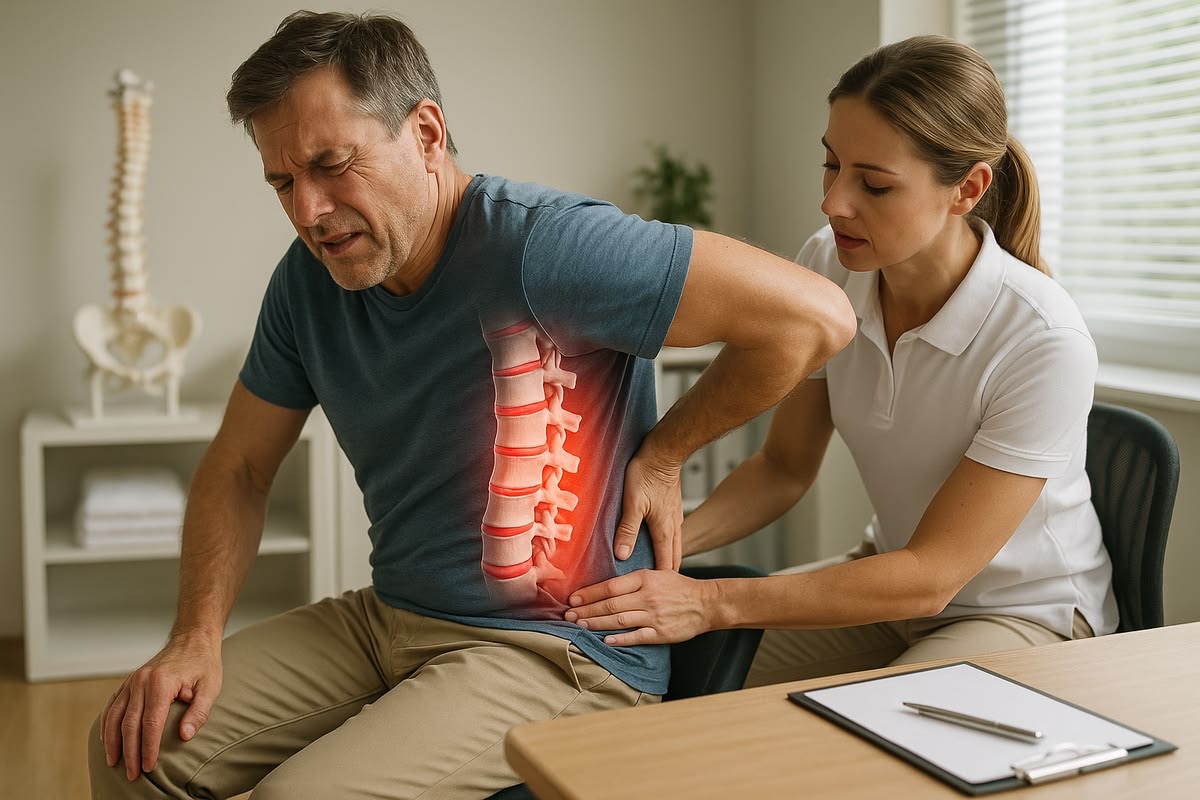
The truth is that recovery time varies from person to person. It depends on the type of injury or condition, how long you've been experiencing symptoms, your general health, and how your body responds to treatment. Although no one can give an exact timeline before assessing you, your physiotherapist can help you understand what to expect, set realistic goals, and review your progress along the way.
The Short Answer: What Can You Expect?
Some people begin to notice a difference within the first two to four weeks of physiotherapy, although this varies depending on the problem. A minor muscle strain or a recent episode of back pain may improve over six to eight weeks. More complex problems, such as long-term pain or ligament injuries, can take several months to recover and may need 12 to 16 weeks or longer.
It's also worth remembering that progress doesn't always mean being completely pain-free. You may notice small changes first, such as moving more easily, sleeping better, or finding everyday tasks less difficult. Recovery takes time, and improvements often happen gradually rather than all at once.
Recovery Timelines for Common Conditions
Recovery looks different depending on the condition, how long you've had symptoms, and how your body responds to treatment. Here are some general timeframes for common problems, although they shouldn't be treated as guarantees.
Back Pain
Back pain is one of the most common reasons people seek physiotherapy, particularly those who spend long hours sitting at a desk or doing repetitive work. Acute lower back pain often improves within a few weeks, with many people feeling better over two to six weeks. Gentle movement, suitable exercises, and advice from a physiotherapist can support recovery.
If you've been experiencing lower back pain for several months, progress may take longer. You may begin to notice improvements within eight to twelve weeks, but managing persistent pain can require ongoing exercise and changes to daily habits over several months.
Sciatica, which causes pain that travels from the lower back or buttock down the leg, can also take time to settle. Mild cases may improve within four to six weeks, while more persistent symptoms can last for twelve weeks or longer. Your recovery will depend on what's causing the nerve irritation and how severe your symptoms are.
Neck and Shoulder Problems
Neck pain and stiffness can develop from spending long hours at a desk, looking down at a phone, or staying in the same position for too long. With suitable physiotherapy, many people notice improvements in pain and movement within four to eight weeks. If your neck problem is also causing certain types of headaches, these may improve as your neck symptoms settle.
Shoulder problems can take different amounts of time to recover, depending on what's causing the pain. Mild muscle tension or irritation around the rotator cuff may improve within six to eight weeks. More persistent conditions, such as frozen shoulder or a significant rotator cuff injury, can take several months. Recovery after an injury or surgery may also require a longer rehabilitation programme, sometimes lasting 12 to 20 weeks or more.
Sports-Related Injuries
If you're active or play sports regularly, you'll probably want to know when you can get back to training. The answer depends on the type and severity of the injury. Minor knee ligament sprains may take around four to eight weeks to recover, while more serious injuries, such as an ACL tear, can require several months of rehabilitation.
Hamstring and calf strains often take six to ten weeks, while shin splints may take six to twelve weeks to settle. Ankle sprains commonly improve within four to eight weeks, although rebuilding full strength and stability can take longer.
These are general estimates, and returning to sport safely involves more than simply waiting for the pain to disappear. You'll also need to regain the strength, balance, and control required for your chosen activity. If you're dealing with knee pain, a shoulder problem, or another sports injury, we can assess your condition and discuss a recovery plan based on your needs.
What Affects Your Recovery Time?
Everyone recovers at a different pace. Several things can influence how quickly you make progress with physiotherapy, including your general health, the nature of your condition, and what you want to achieve.
Your Starting Point
Your current fitness and activity levels can affect your recovery. If you're already active and have good strength and mobility, you may find it easier to return to exercise after an injury. If you've been less active for some time, rebuilding strength and confidence may take a little longer.
How Long You've Had the Problem
A recent injury may settle more quickly than pain you've been experiencing for months or years. Long-term problems can involve stiffness, reduced strength, or changes in the way you move, which may take time to address.
Consistency with Treatment
Regular attendance and following your exercise plan between appointments can make a difference to your progress. The exercises your physiotherapist recommends are an important part of recovery, so try to make them part of your routine. If you're struggling with them or finding them uncomfortable, let your physiotherapist know so they can adjust the plan.
Your Goals
Your recovery timeline will also depend on what you're hoping to get back to doing. Returning to everyday activities may require a different level of rehabilitation from preparing for a marathon or going back to competitive sport. Your physiotherapist will consider your goals when planning your treatment and deciding when it's appropriate to increase activity.
Lifestyle Factors
Sleep, stress, nutrition, and smoking can all affect your body's ability to recover. Getting enough rest, eating a balanced diet, managing stress, and staying gently active within your limits can support the recovery process.
Age and Overall Health
Age can influence healing, but it doesn't determine what you're capable of achieving. Your general health, existing conditions, and fitness level also matter. Older adults can make meaningful improvements with the right rehabilitation programme, although progress may take longer depending on their individual circumstances.
What Does Getting Better Actually Look Like?
Recovery rarely happens all at once. You may notice small improvements before the pain goes away completely, and some days may feel better than others. This is a normal part of the process. Although everyone's experience is different, recovery often follows a few general stages.
During the First One to Two Weeks
Your physiotherapist will assess your condition, discuss your goals, and begin treatment. You may feel some relief early on, but it's also normal if you don't notice much difference straight away.
Between Weeks Two and Four
You may start to notice changes. Your pain might become less intense, certain movements may feel easier, or tasks that were difficult before may become more manageable.
Between Weeks Four and Eight
The focus often shifts towards building strength, improving mobility, and gradually returning to activities you enjoy. Your exercise programme may become more challenging as your ability improves.
After Eight Weeks
Some people move on to working on longer-term strength, confidence, and reducing the risk of the problem returning. This stage may involve preparing to return to sport, improving physical fitness, or maintaining the progress you've made.
These timeframes are only a general guide. Your recovery may be quicker or take longer depending on your condition and how you respond to treatment. Try not to be discouraged by the occasional difficult day; progress isn't always steady, and a temporary increase in discomfort doesn't necessarily mean you're going backwards.
Patience Pays Off
Recovery takes time, and trying to rush the process can sometimes lead to setbacks. You might think your back pain or joint problem came on suddenly, but it may have been developing for weeks or even months before it became noticeable.
The good news is that many muscle and joint problems improve with the right treatment, time, and a little patience. Try to focus on the progress you make along the way rather than expecting everything to improve overnight.
If you're unsure how long your recovery might take, get in touch with Safe Healing Centre in Chigwell. We'll be happy to discuss your concerns and help you understand what to expect from physiotherapy.
Start Your Physiotherapy Journey with Safe Healing Centre
Whether you're experiencing back pain, neck stiffness, shoulder discomfort, or a sports-related injury, getting appropriate professional advice can help you understand your next steps.
At Safe Healing Centre, Chigwell, we can discuss your concerns, assess your needs, and help you understand your physiotherapy options.
Contact Safe Healing Centre to discuss your requirements and arrange an appointment.