
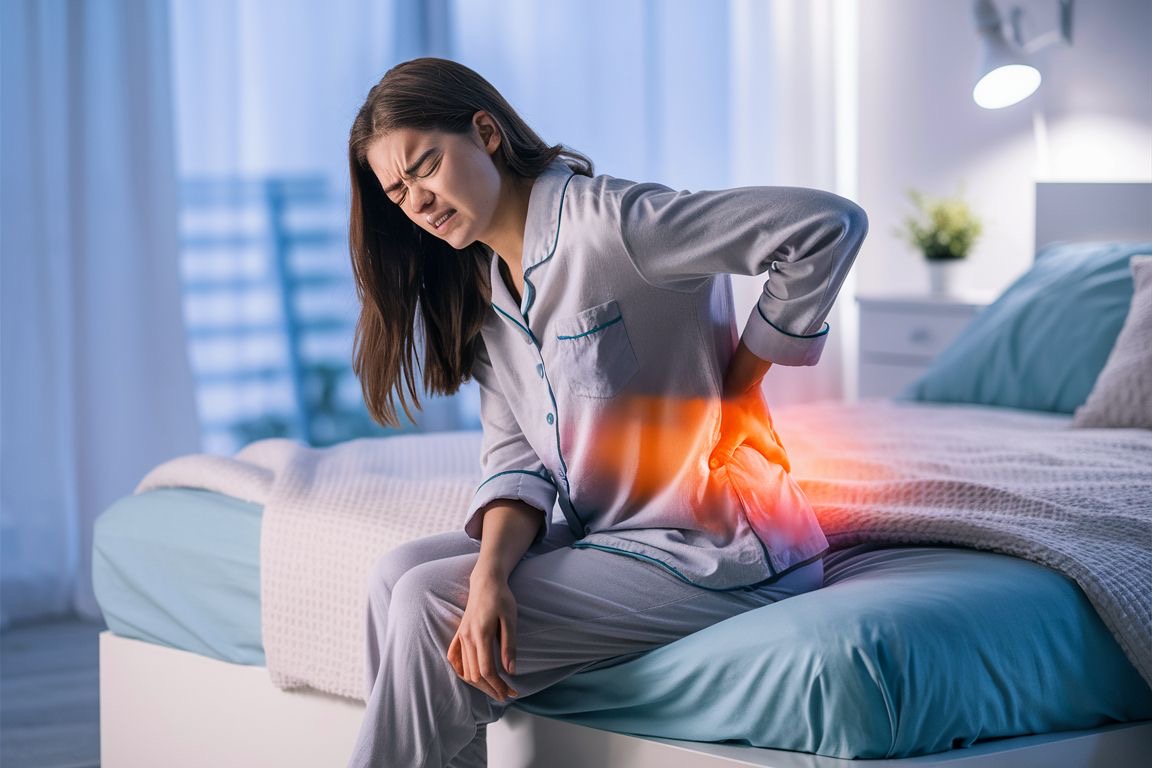
Almost everyone experiences back pain at some point, and it can feel different for each person. Sometimes it's just a dull ache that comes and goes. Other times, the pain can be strong enough to make it difficult to bend, walk, sleep, or get through your normal day. Many people improve with time, but for others, the pain can linger for weeks or months or keep coming back.
Although lower back pain is common, you shouldn't have to put up with it when it's affecting your life. If the pain isn't getting better, keeps returning, or is making everyday activities difficult, speak to a healthcare professional. They can help identify the possible cause and advise you on the right treatment.
Symptoms and Causes of Lower Back Pain
Lower back pain can develop for different reasons, which mainly include muscle strains, sprains, slipped or damaged discs, arthritis, fractures, and other medical conditions. The symptoms can vary from person to person, depending on what is causing the pain.
What Are the Symptoms of Lower Back Pain?
Lower back pain can start suddenly or develop gradually over time. You might notice it after bending down, lifting something heavy, or making an awkward movement, although sometimes there is no obvious cause. The pain may feel sharp, dull, or aching, and it can come and go or remain constant. In some cases, it may spread into the buttocks or down the back of the leg, which can be a sign of sciatica.
You may also experience stiffness that makes it difficult to bend, straighten your back, or get up after sitting for a while. Some people find themselves leaning to one side or struggling to stand upright because of the discomfort. Muscle spasms can also occur, causing sudden tightening and pain that makes walking or moving difficult.
If your back pain is severe, keeps returning, or interferes with your everyday activities, speak to a healthcare professional to find out what may be causing it and what treatment is appropriate.
What Causes Lower Back Pain?
Your lower back supports much of your body weight and helps you bend, sit, stand, walk, and carry out everyday activities. Because it plays such an important role in movement, problems affecting the muscles, bones, joints, discs, or nerves in this area can lead to pain.
One of the most common causes is a muscle strain or sprain, which can happen when lifting heavy objects, bending awkwardly, twisting suddenly, or even coughing or sneezing. Spinal fractures are another possible cause and may occur following a fall, road accident, or other injury. Conditions such as osteoporosis can also make the bones of the spine more vulnerable to fractures.
Problems with the discs between the spinal bones can also cause lower back pain. These discs act as cushions, but they can bulge, become damaged, or press on nearby nerves, sometimes causing pain that travels down the leg. As you get older, the discs may also become thinner and less flexible.
Other causes include structural conditions such as spinal stenosis, scoliosis, and spondylolisthesis, which can affect the alignment or structure of the spine and lead to pain, stiffness, or difficulty moving.
Certain types of arthritis, including osteoarthritis and ankylosing spondylitis, may cause inflammation, stiffness, and discomfort in the lower back. Less commonly, lower back pain can be linked to infections, spinal tumours, certain cancers, kidney stones, or other medical conditions. If your pain is persistent, unexplained, or getting worse, speak to a healthcare professional to help identify the cause and determine the most appropriate treatment.
What Are the Risk Factors for Lower Back Pain?
Anyone can experience lower back pain, but certain factors can make it more likely to develop. Age is one of them, as the discs between the bones of your spine gradually wear down and become less flexible over time, sometimes leading to stiffness and discomfort.
Carrying excess weight can put additional strain on the spine, joints, and discs, while weight gain during pregnancy can also increase pressure on the lower back. Weak abdominal and back muscles may provide less support for the spine, making it more vulnerable to strains and sprains.
Lifestyle and daily habits can also play a role. Smoking, excessive alcohol consumption, and a lack of physical activity may increase the risk of back pain. Similarly, jobs and hobbies that involve heavy lifting, repeated bending, twisting, or sitting for long periods can place extra stress on the lower back.
Athletes may also experience back pain due to repetitive movements or injuries. Mental health is another factor to consider, as stress, anxiety, and depression can be linked to persistent back pain. Living with ongoing pain can also affect emotional wellbeing, making symptoms more difficult to manage.
Management and Treatment
What Are the Treatments for Lower Back Pain?
Many cases of lower back pain improve within a few weeks with simple self-care, gentle movement, and appropriate treatment. You can start by applying an ice pack during the early stages of an injury, which may help reduce discomfort, while heat can ease muscle stiffness. Avoid staying in bed for long periods, as gentle activity can support recovery.
If your back pain is severe, follows a fall or accident, or comes with symptoms such as new leg weakness or loss of bladder or bowel control, seek urgent medical attention.
The most suitable treatment depends on what is actually causing the pain, how severe it is, and how long you have been experiencing it. Treatment options may include:
- Medication: Medication may be recommended by a healthcare professional for pain relief and anti-inflammatory effects. Some people may benefit from prescription medicines, depending on their symptoms and medical history. Always seek advice before taking medication, particularly if you have other health conditions.
- Physiotherapy: Physiotherapy can help strengthen the muscles that support your spine, improve flexibility, and make everyday movements easier. A physiotherapist can also guide you on posture, lifting techniques, and exercises to help reduce the risk of future injuries.
- Massage and manual therapy: Depending on the cause of your pain, hands-on treatments may help ease muscle tension, reduce discomfort, and improve movement. Massage and other manual therapy techniques may be used alongside exercise and other recommended treatments.
- Injections: For certain cases of persistent lower back pain, a specialist may recommend injections to help manage symptoms. Whether these are appropriate depends on the underlying condition and the individual's needs.
- Surgery: Surgery is not usually needed for lower back pain. However, it may be considered when a specific spinal condition causes significant symptoms and other treatments have not provided sufficient relief.
Finding the right approach can take time, particularly when lower back pain persists or keeps returning. A healthcare professional can help identify the likely cause and recommend an appropriate treatment plan. At Safe Healing Centre, Chigwell, physiotherapy and massage services may support your recovery, improve mobility, and help you return to everyday activities more comfortably.
Prevention
How Can You Prevent Lower Back Pain?
Although not all causes of lower back pain can be prevented, making a few simple changes to your daily routine can help protect your back, reduce strain, and lower the risk of injury.
Maintaining a healthy weight can help reduce pressure on your spine and the discs between your vertebrae. Regular exercise is also important, as strengthening your abdominal, hip, and back muscles helps support your spine and improve stability. Activities such as Pilates, swimming, and suitable strengthening exercises can help improve flexibility and keep your back strong.
Using the correct lifting technique can also help prevent injuries. When lifting heavy objects, bend your knees and use your legs rather than putting all the strain on your back. Keep the object close to your body and avoid twisting while lifting.
Before exercising or playing sports, warm up with gentle movements to prepare your muscles and joints. Increase the intensity of your activity gradually, and avoid pushing through pain.
Staying active and paying attention to your posture can further support your back health. Try not to sit in one position for too long; instead, take regular movement breaks and change positions throughout the day. If you experience recurring lower back pain or stiffness, a healthcare professional or physiotherapist can recommend suitable exercises and practical ways to protect your back during everyday activities.
A Note from Safe Healing Centre
Lower back pain is common and can make everyday life difficult, especially when stiffness and discomfort limit your movement. You don't have to put up with ongoing pain or give up the activities you enjoy. If your symptoms aren't improving or are affecting your daily routine, it's important to seek professional advice.
Safe Healing Centre in Chigwell offers physiotherapy and massage services that help ease discomfort, improve mobility, and support your recovery. With the right care and guidance, you can take steps towards moving more comfortably and getting back to your usual activities.