
The Core Kerala Ayurveda Treatments
Ayurvedic treatment in Kerala is traditionally tailored to the individual rather than chosen from a standard menu. Practitioners may consider your Prakriti (body constitution), general wellbeing, and personal needs before recommending suitable therapies. Here are some of the treatments commonly associated with Kerala’s Ayurvedic tradition.
Panchakarma (Five Traditional Therapies)
Panchakarma is a traditional Ayurvedic programme designed to support cleansing and rejuvenation. It includes five procedures: Vamana, Virechana, Basti, Nasya, and Raktamokshana. The approach varies according to the individual, and these procedures should only be considered following an assessment by a qualified practitioner.
Abhyanga (Full-Body Oil Massage)
Abhyanga is a traditional Ayurvedic massage using warm oils selected according to the practitioner’s approach and the individual’s needs. The rhythmic massage may help ease muscle tension, promote relaxation, and leave the body feeling more comfortable.
Shirodhara
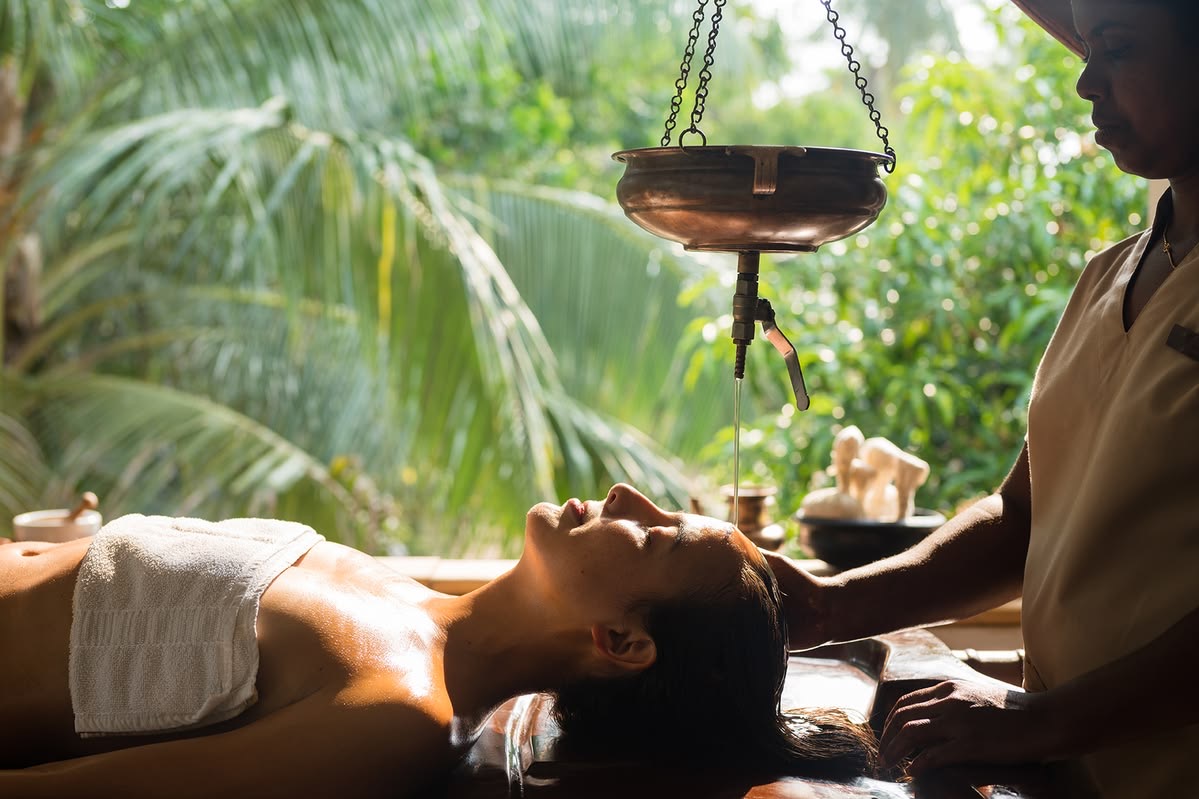
Shirodhara involves gently pouring a steady stream of warm oil or another suitable liquid over the forehead. This calming Ayurvedic therapy is often used to encourage relaxation and support a restful state of mind. The treatment is usually adapted to the individual following a consultation.
Njavara Kizhi (Medicated Rice Bolus Therapy)
This traditional Kerala treatment uses small bundles of specially prepared Njavara rice, often cooked with milk and herbal preparations. The warm bundles are gently applied to the body using rhythmic movements. It is traditionally used to nourish tissues and support comfort in people experiencing stiffness or muscle weakness.
Pizhichil (Warm Oil Therapy)
Pizhichil combines the gentle pouring of warm medicated oil over the body with a specialised massage technique. Sometimes called an oil bath, this traditional therapy is associated with Kerala’s Ayurvedic practice and is intended to promote relaxation and ease muscular tension.
Kizhi (Herbal Bolus Treatments)
Kizhi refers to a group of therapies using warm herbal ingredients wrapped in cloth bundles and applied to the body. Different varieties include Podikizhi, made with herbal powders, and Elakizhi, which uses medicinal leaves. The ingredients and application method depend on the treatment selected and the individual's needs.
Vasthi (Medicated Enema Therapy)
Vasthi is one of the traditional procedures used in Panchakarma, involving the administration of prescribed herbal oils or decoctions through the rectum. In Ayurveda, it is particularly associated with balancing Vata. Because it is an invasive procedure, it should only be undertaken following an appropriate assessment and under qualified medical supervision.
Mental Wellness and Stress Management Through Kerala Ayurveda
Stress, mental fatigue, anxiety, and poor sleep are some of the reasons people explore Ayurveda. Kerala’s Ayurvedic tradition includes a range of therapies designed to encourage relaxation, ease tension, and support a calmer daily routine. Treatments are usually chosen according to the individual’s needs rather than following the same approach for everyone.
Key Treatments for Stress and Mental Wellness
- Shirodhara: A steady stream of warm oil is gently poured over the forehead. This traditional therapy is often used to promote relaxation and may help people feel calmer, although results vary from person to person.
- Thalam: A herbal paste is applied to the crown of the head as part of a traditional Ayurvedic treatment. It is intended to encourage relaxation and is selected according to the practitioner’s assessment.
- Shiro Abhyanga (Head Massage): This treatment involves massaging the head, neck, and shoulders with suitable oils. It may help ease muscle tension and provide a calming break from everyday stress.
- Yoga and Pranayama: Gentle yoga movements and breathing exercises can complement an Ayurvedic wellness routine. They encourage mindful movement, relaxation, and greater awareness of breathing.
- Medhya Rasayana: In Ayurveda, this term refers to herbal preparations traditionally used to support memory and cognitive wellbeing. Ingredients may include Brahmi and Shankhapushpi. Some formulations also contain Ashwagandha, but suitability, safety, and potential interactions should be discussed with a qualified healthcare professional.
How Long Does Ayurveda Take to Show Results?
Ayurvedic treatments are often approached as a gradual process rather than a quick fix. How long they take to make a difference depends on the treatment, your individual needs, and the condition being addressed. Some people may feel more relaxed after a massage or other therapy, while longer-term concerns may require ongoing care and professional guidance.
Traditional Ayurveda considers factors such as diet, daily habits, and the balance of the three doshas when developing a treatment plan. Herbal preparations and lifestyle changes may form part of this approach, but their effects vary, and scientific evidence differs depending on the treatment and condition.
Whether you are exploring Ayurveda for digestive discomfort, joint pain, headaches, or sinus symptoms, it is important to have realistic expectations and seek advice from a qualified healthcare professional. Ayurvedic therapies should not replace necessary medical treatment, particularly for serious or worsening symptoms.
Your wellbeing comes first. If you have severe symptoms or need urgent medical attention, consult a doctor promptly rather than waiting for an Ayurvedic treatment to take effect.
Benefits of Ayurvedic Treatment
Ayurveda is an ancient Indian tradition that looks at the connection between daily habits, diet, movement, and overall wellbeing. Today, many people explore Ayurvedic therapies as a way to make more time for self-care, manage everyday stress, and build healthier routines. While Ayurveda can complement general wellness, its benefits vary, and it should not replace medical care when needed.
1. Supporting Healthy Weight Management
Maintaining a healthy weight involves more than following a strict diet. Regular movement, balanced meals, quality sleep, and consistent habits all play an important role. Ayurvedic-inspired routines may encourage more mindful eating and a structured daily schedule, helping you build habits that support your overall health. If you are trying to gain or lose weight, a healthcare professional can help you find an approach suited to your needs.
2. Caring for Skin and Hair
Your skin and hair can be affected by stress, nutrition, sleep, and environmental factors. Ayurveda places importance on daily routines, seasonal foods, and self-care practices. Gentle oil massages and suitable herbal skincare products may also form part of a personal care routine. However, results vary, and claims about preventing ageing or promoting hair growth should be approached carefully. Always check that a product is suitable for your skin and scalp.
3. Managing Everyday Stress
Work pressures, family responsibilities, and a busy routine can leave you feeling mentally drained. Ayurveda offers practices that encourage relaxation, including Abhyanga (traditional oil massage), Shirodhara, Shiro Abhyanga, and Padabhyanga (foot massage). When combined with breathing exercises, meditation, and healthy daily habits, these practices may help you unwind and make time for yourself. Herbal products should be used with professional advice, as some may interact with medicines or cause side effects.
4. Supporting the Body Through Traditional Cleansing Practices
Panchakarma is a traditional Ayurvedic programme that includes specific procedures intended to cleanse and rejuvenate the body. Depending on the approach, it may involve treatments such as therapeutic massage and other procedures prescribed by an Ayurvedic practitioner. These treatments are not necessary for everyone, and claims that they remove toxins or improve organ function are not well established scientifically. Procedures such as enemas and bloodletting require careful medical assessment and appropriate supervision.
5. Supporting Heart Health
Healthy blood pressure and cholesterol levels are important for long-term heart health. A balanced diet, regular physical activity, sufficient sleep, and avoiding smoking can all help reduce cardiovascular risk. Some Ayurvedic practices may complement these healthy habits, but they should not be relied upon to control high blood pressure or cholesterol on their own. Regular health checks and prescribed medication remain important when recommended by your doctor.
6. Supporting Normal Immune Function
Your immune system relies on a range of everyday factors, including good nutrition, restful sleep, physical activity, and appropriate vaccination. Ayurveda traditionally uses herbs and lifestyle practices to support general wellbeing, but no herbal remedy can guarantee protection against illness. If you are considering Ayurvedic supplements, seek professional advice about their safety, dosage, quality, and possible interactions with your existing medication.
Experience the Tradition of Kerala Ayurveda
Kerala Ayurveda offers a fascinating way to explore India’s ancient healing traditions, from traditional oil massages and herbal therapies to practices that encourage relaxation and mindful living. Its emphasis on personalised care, daily routines, and balance continues to attract people looking for a more considered approach to their wellbeing.
Whether you are interested in learning about Ayurvedic treatments or simply want to make more time for yourself, understanding your needs is the best place to start. Choose treatments carefully, seek guidance from qualified practitioners, and remember that Ayurvedic therapies are best considered alongside appropriate medical care. With the right approach, you can discover which traditional practices fit comfortably into your lifestyle and support your personal wellness journey.