
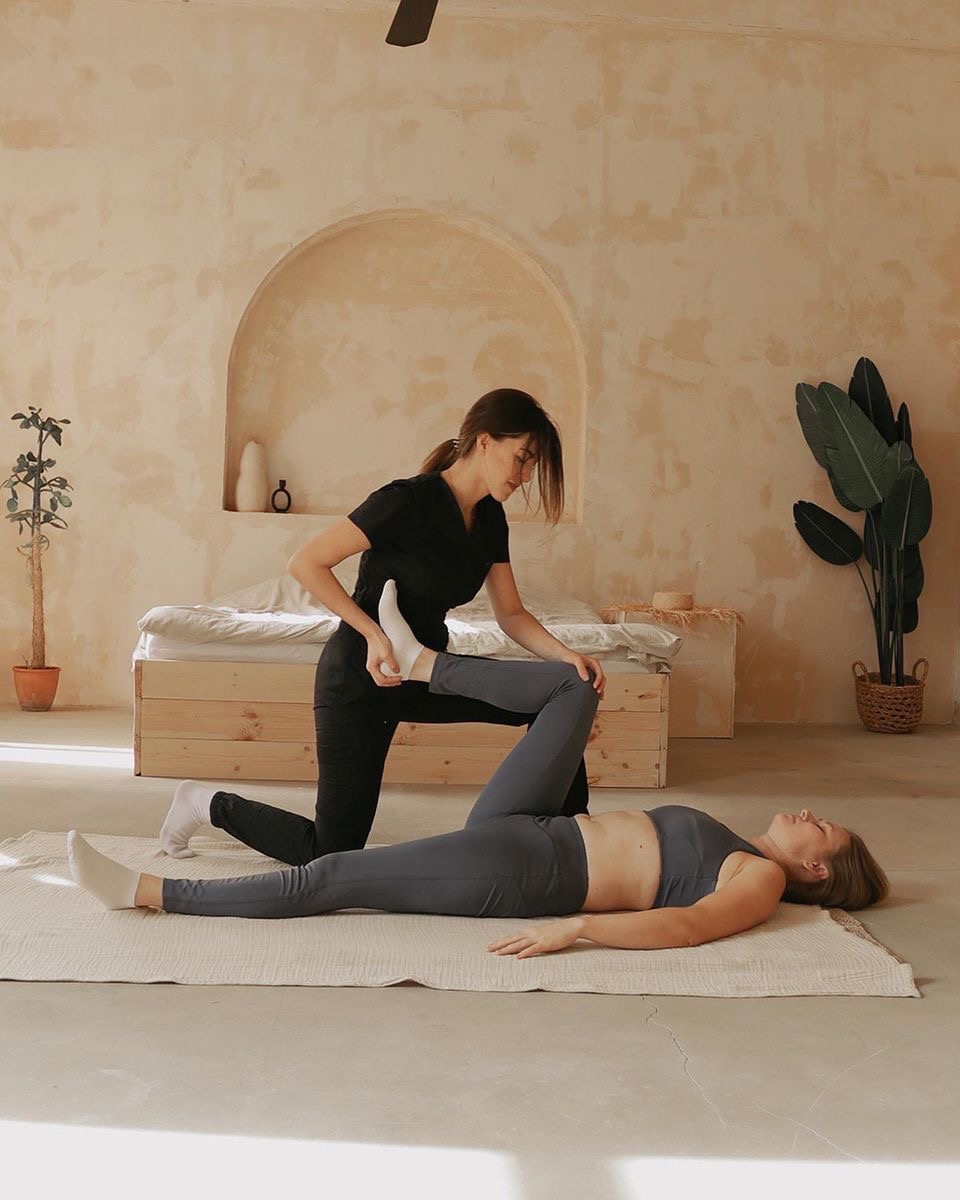
You don’t need to be a professional athlete or spend hours at the gym to benefit from a sports massage. Whether you enjoy regular workouts, play a weekend sport, have recently started exercising, or simply want to move more comfortably, sports massage can be a useful addition to your self-care routine.
It focuses on the muscles that work hard during physical activity, helping ease tightness, relieve muscular tension, and support recovery after exercise. At Safe Healing Centre, sports massage can be tailored to your activity level and individual needs, whether you’re looking to recover after a workout or keep up with the activities you enjoy.
What Is a Sports Massage?
Unlike a regular massage, which often focuses on relaxation and general tension relief, sports massage is designed to support muscle recovery, flexibility, and physical movement. It targets the areas of the body that work hardest during exercise or repetitive activities, helping ease tightness and soreness.
The treatment can be adapted to your lifestyle and the activities you enjoy. For runners, this may mean focusing on the calves, hamstrings, and hips. For people who play racket sports, the shoulders, forearms, and wrists may need more attention because of repeated swings and quick movements.
Sports massage can be useful before or after physical activity, depending on your needs and the techniques used. It may help relieve muscle tension, improve your sense of mobility, and support recovery after exercise. It can also be part of a wider recovery plan when you’re returning to activity after an injury, although the right treatment will depend on the nature of the injury.
At Safe Healing Centre, sports massage can be tailored to your activity level and areas of concern, helping you look after your body and stay comfortable as you keep moving.
Sports massage works best when it’s part of a balanced approach to looking after your body, rather than the only thing you rely on. Regular exercise, strength training, mobility work, good nutrition, and staying hydrated all help keep your muscles strong and support recovery. Massage can complement these habits by easing muscle tightness and helping you feel more comfortable during physical activity.
Some people book a session before or after an event, such as a marathon or sports tournament, while others prefer occasional treatments to manage muscle tension as part of their regular routine. If you’re experiencing ongoing pain or recovering from an injury, your treatment frequency should depend on your needs and professional advice. Combining massage with appropriate exercises and rehabilitation can help you work towards better movement and long-term recovery.
Benefits of Sports Massage
Sports massage isn’t just for athletes. Whether you exercise regularly, enjoy weekend sports, or spend long hours on your feet, it may help ease muscle tension and support recovery. While research doesn’t consistently show that massage directly improves athletic performance, it suggests several benefits that can help you feel more comfortable and move with greater ease.
1. Helps Ease Muscle Soreness
Muscle soreness after a demanding workout is common, particularly when you try a new activity or increase your training intensity. Known as delayed onset muscle soreness (DOMS), it often develops within 12–48 hours of exercise. Sports massage may help reduce this discomfort, making it easier to return to your usual activities.
2. Helps Relieve Feelings of Fatigue
After a long run, an intense gym session, or a physically demanding day, your muscles can feel tired and heavy. Massage may help reduce perceived fatigue and leave you feeling more relaxed. Combined with adequate rest, hydration, and recovery time, it can be a useful part of your post-exercise routine.
3. Supports Flexibility and Movement
Tight muscles can make stretching, bending, and moving feel more difficult. Sports massage may help improve flexibility in the short term and make movement feel more comfortable. This can be particularly helpful if repetitive activities leave your calves, thighs, shoulders, or back feeling tense. Regular exercise and mobility work remain important for maintaining flexibility.
4. Complements the Recovery Process
Whether you’re recovering from a strenuous workout or managing muscle tightness, sports massage may help ease discomfort and support your overall recovery routine. Some research suggests that massage can influence circulation and muscle soreness, although evidence for speeding up tissue healing is limited. If you have a tendon injury, muscle tear, or persistent pain, seek professional advice before starting treatment.
5. Encourages Better Sleep
Rest is an important part of physical recovery. When muscle discomfort and tension make it difficult to unwind, a massage may help you relax before bedtime. Some studies suggest massage may improve perceived sleep quality, although results vary. Maintaining regular sleep habits and allowing enough time for recovery are equally important.
6. Supports Relaxation and Mental Wellbeing
Physical activity can be demanding on both the body and mind. Sports massage provides an opportunity to slow down, release tension, and take a break from daily pressures. Research suggests massage may help reduce feelings of stress and anxiety and improve mood for some people. Feeling more relaxed can also help you approach your next workout or sporting activity with greater confidence.
Sports Massage Techniques
Sports massage uses a range of techniques to address muscle tightness, soreness, and restricted movement. The approach depends on your activity level, areas of discomfort, and recovery needs. Some techniques use gentle, flowing movements, while others apply more focused pressure to specific muscles.
1. Deep Tissue Massage
Deep tissue massage uses slow, controlled pressure to work on deeper layers of muscle and connective tissue. It may help ease persistent tightness and improve comfort in areas that feel stiff after exercise or repetitive activity. The pressure should always suit your comfort level, rather than causing unnecessary pain.
2. Trigger Point Massage
Sometimes, a tight area within a muscle can feel like a knot and cause discomfort nearby. Trigger point massage focuses on these sensitive spots using targeted pressure to help reduce tension. It may be useful for people who experience recurring tightness from exercise, prolonged sitting, or repetitive movements.
3. Tapotement
Tapotement involves rhythmic tapping, cupping, or chopping movements applied to the muscles. Depending on the technique and pressure used, it may help stimulate the area and create a feeling of readiness or relaxation. The therapist adjusts the approach according to your needs and whether the session is intended to prepare for activity or support recovery.
4. Vibration Therapy
Vibration therapy uses rapid, gentle movements to stimulate the muscles and surrounding tissues. It may be performed by hand or with tools such as massage guns. Some people use this technique on areas like the thighs, calves, and back to help ease post-exercise soreness. Care is needed around sensitive areas, injuries, and the neck, so it is best to follow appropriate guidance.
5. Cupping Therapy
Cupping involves placing special cups on the skin to create suction. This draws the skin and underlying tissue upwards rather than applying direct downward pressure. Some people find it helps them feel less stiff, although evidence for its benefits in sports recovery remains limited. Cupping can leave temporary circular marks, and it may not be suitable for everyone.
At the Safe Healing Centre, the choice of massage technique should reflect your individual needs and comfort. A suitable approach can help you manage muscle tension and support recovery, alongside appropriate exercise, rest, and professional care when needed.
Measure Your Progress
If you’re investing in regular sports massage sessions, it’s worth checking whether they’re making a difference to how you move and feel. A simple way to do this is to pay attention to your mobility before and after treatment. For example, notice how comfortably you can lift your leg, reach your arm behind your back, or turn your head from side to side. If you’re unsure which movements to assess, a physiotherapist can help you choose suitable tests.
You may notice that certain movements feel easier immediately after a session or later in the day. If you do, try to maintain that improvement through gentle movement, appropriate stretching, and exercises suited to your needs. Sports massage may temporarily improve flexibility and ease muscle tension, but combining it with regular movement and strengthening exercises can help you work towards more lasting improvements. Remember that progress varies from person to person, and you should stop any movement that causes pain.
How Safe Healing Centre Can Help
Muscle tension, stiffness, and joint discomfort can make everyday activities and exercise more challenging. At Safe Healing Centre in Chigwell, we offer treatments designed to support your comfort, mobility, and physical wellbeing.
Our sports massage sessions can be tailored to your needs, focusing on areas affected by exercise, repetitive movements, or muscular tightness. Where appropriate, physiotherapy and guided exercises can also form part of your approach to improving movement and maintaining flexibility.
Whether you’re recovering after a workout, managing muscle tension, or looking to move more comfortably, our team can help you explore suitable options based on your individual needs. If your pain is persistent, severe, or linked to an injury, we recommend seeking an appropriate healthcare assessment before starting treatment.
Get in touch with Safe Healing Centre to find out more about our sports massage and physiotherapy services in Chigwell.
Contact Safe Healing Centre to enquire about available services.